

Quick Answer: The Best Foods for Testosterone
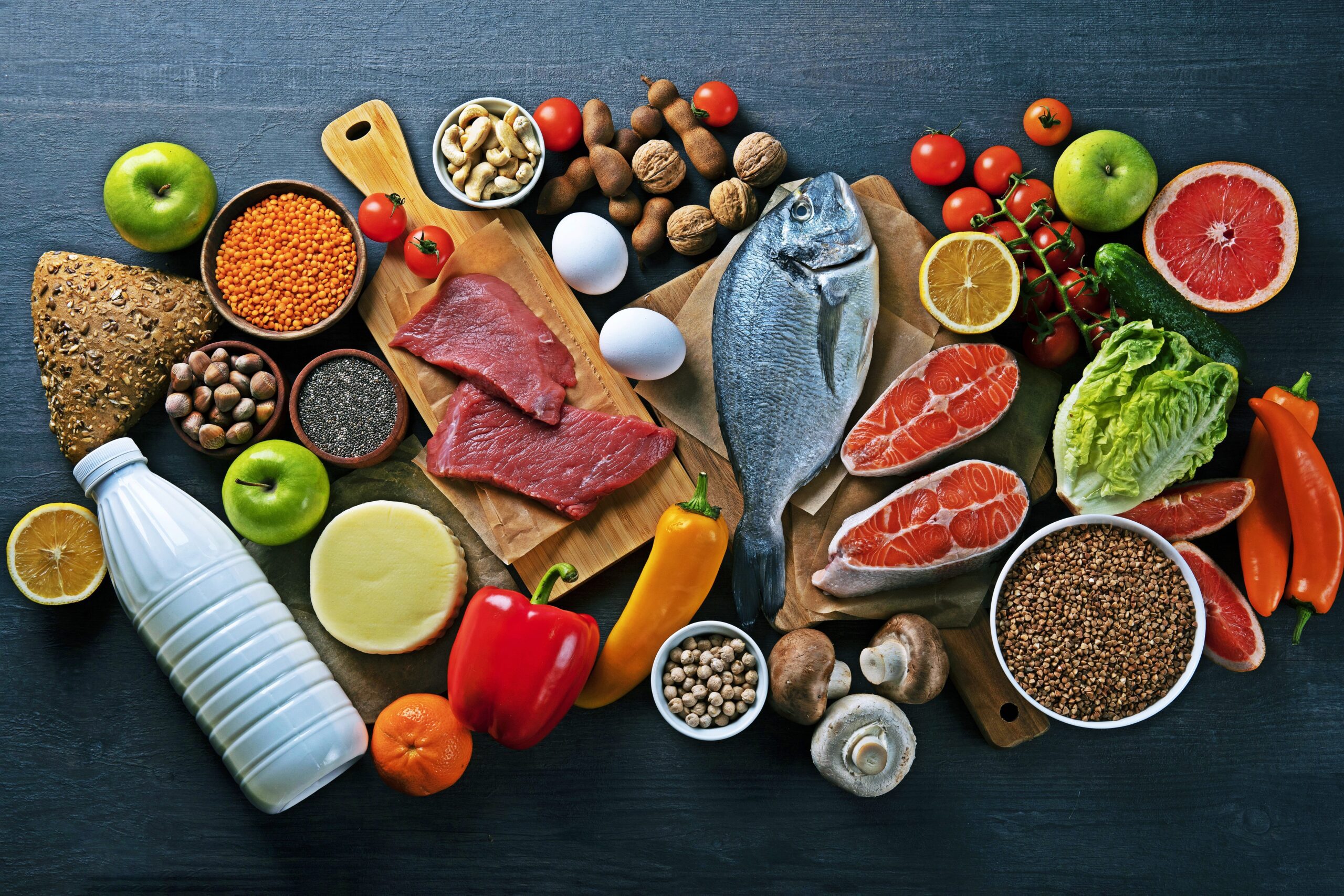
The most testosterone-supportive foods supply the nutrients your body actually needs to make and protect testosterone — chiefly zinc, vitamin D, magnesium, healthy fats, and antioxidants. The strongest options:
Oysters, egg yolks, beef, shellfish, tuna, Brazil nuts, pomegranate, garlic, ginger, and extra virgin olive oil. Diet alone won’t reverse significant low testosterone, but it builds the foundation — and pairs well with strength training, good sleep, and (where appropriate) a clinically-dosed natural booster.
As men age, maintaining healthy testosterone becomes increasingly important for energy, strength, mood, and overall wellbeing. After age 30, testosterone declines by roughly 1-2% per year, which can show up as lost muscle, gained body fat, low energy, reduced sex drive, and mood changes.
Adjusting your diet to include more testosterone-friendly foods is one natural way to support healthy levels. Research has identified specific nutrients and compounds that help your body produce and preserve testosterone. Here are 15 foods backed by science to support your testosterone — plus practical UK tips for getting the most out of each.
Not sure whether your levels are actually low? Start with our guide to the 17 signs of low testosterone in UK men and what a normal testosterone level looks like by age.
1. Oysters
Oysters earn the top spot thanks to their exceptional zinc content — just 6 medium oysters provide roughly 500% of your recommended daily zinc. Multiple studies link zinc deficiency to lower testosterone, and supplemental zinc raises testosterone in deficient men. Oysters also supply magnesium and vitamin D, two further nutrients tied to healthy testosterone.

➡ Pro Tip: Pair raw oysters with a squeeze of lemon — the vitamin C helps zinc absorption.
➡ Did You Know? Oysters contain D-aspartic acid, an amino acid that prompts the pituitary gland to release more luteinising hormone (LH), the signal for testosterone production.
➡ UK Sourcing Tip: Look for MSC-certified oysters (widely available at UK fishmongers and supermarkets) to avoid heavy metals from polluted waters.
2. Egg Yolks
Egg whites provide lean protein, but don’t skip the yolks. Egg yolk contains cholesterol, which your body uses to synthesise testosterone and other hormones. Yolks also supply vitamin D, which is associated with more bioavailable testosterone.

➡ Pro Tip: Soft-boil or poach eggs to preserve heat-sensitive nutrients like vitamin D.
➡ Cholesterol Myth Buster: Dietary cholesterol in yolks has minimal impact on blood cholesterol for most people — your liver adjusts its own production accordingly.
➡ Bonus Nutrient: Egg yolks are rich in choline, which helps protect against oxidative stress.
3. Beef
Red meats like beef are staples on any testosterone-supportive menu, providing zinc, magnesium, high-quality protein, and vitamin D. Grass-fed beef also contains conjugated linoleic acid (CLA), a compound research has linked to testosterone support.
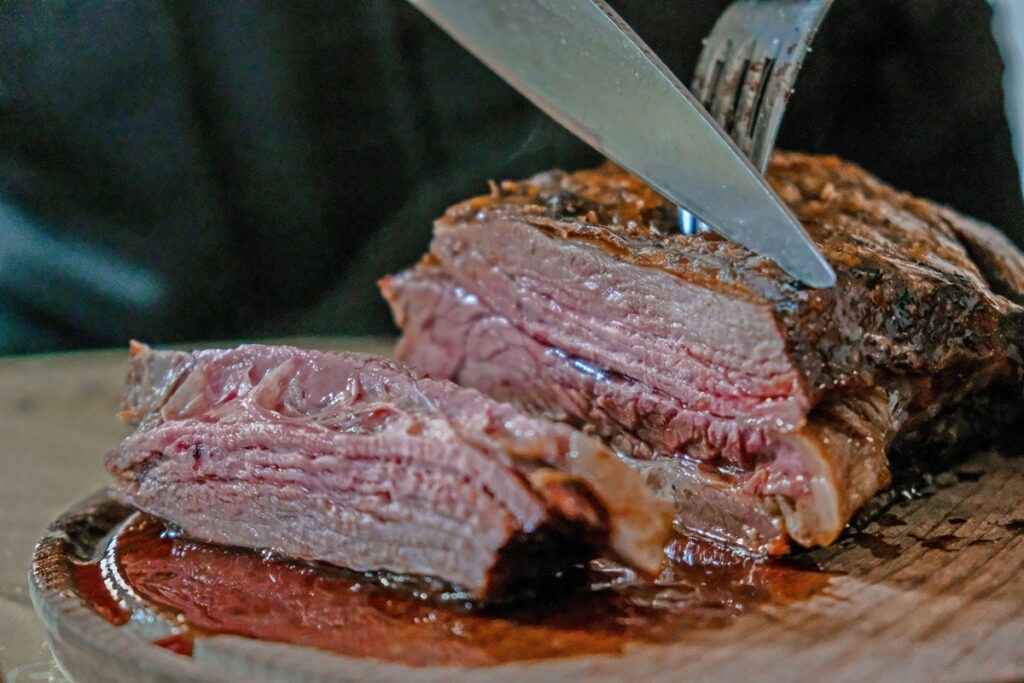
➡ Grass-Fed vs. Grain-Fed: Grass-fed beef contains 2-3x more CLA. UK supermarkets increasingly stock British grass-fed beef — check the label.
➡ Cook Smarter: Slow-cook tougher cuts like chuck or brisket to preserve nutrients. Avoid charring — burnt meat produces inflammatory compounds (AGEs).
➡ Iron Bonus: Beef’s heme iron is easily absorbed and helps combat anaemia, an overlooked cause of low energy.
4. Potatoes
Starchy tubers like potatoes can help support testosterone, provided you eat the skin. The skins contain lignans, phytonutrients correlated with more total and free testosterone in some studies. Potatoes also provide carbohydrates to fuel strength training.
➡ Resistant Starch Tip: Cool cooked potatoes overnight to boost resistant starch — a prebiotic fibre that feeds gut bacteria involved in hormone metabolism.
➡ Skin Deep: Potato skins also provide potassium, which helps balance sodium and supports healthy cortisol levels.
➡ Pairing Tip: A little grass-fed butter on your potatoes helps absorb the fat-soluble vitamins A and D.
5. Pomegranates
Pomegranates offer a sweet source of vitamin C, antioxidants, and nitric oxide precursors. One study saw testosterone rise in healthy men within just two weeks of daily pure pomegranate juice, attributed to the juice’s strong antioxidant load. Pomegranate may also help preserve the testosterone already present.
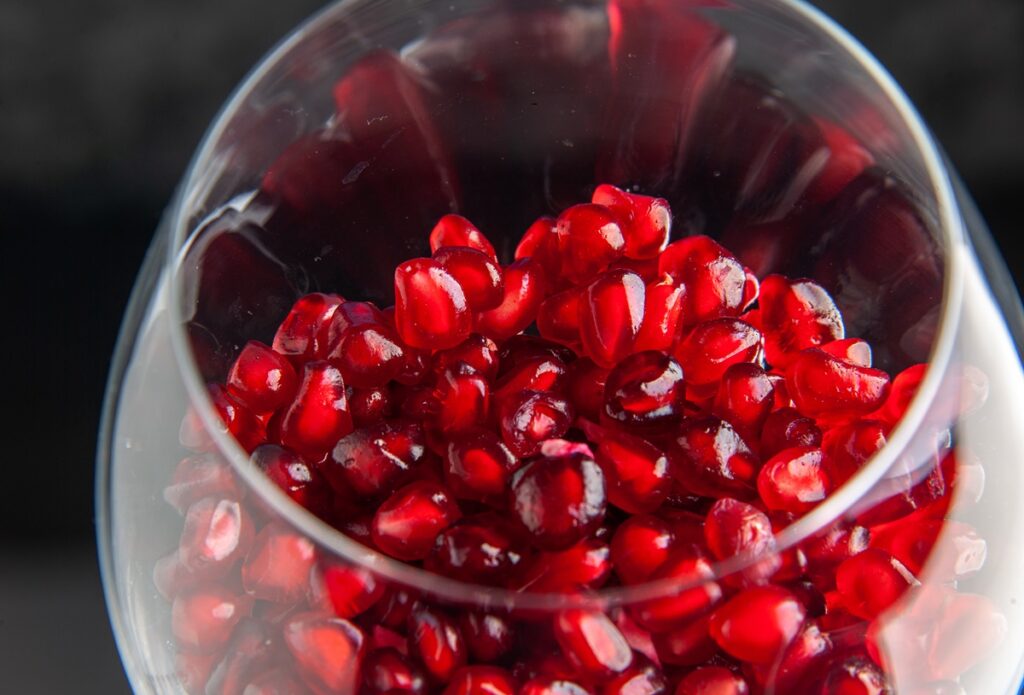
➡ Seed Power: Eat the seeds — they’re loaded with punicalagins, antioxidants that help protect the Leydig cells where testosterone is made.
➡ Buyer Beware: Avoid sugary “pomegranate blends” — look for 100% pure juice (POM Wonderful, Biona) or eat the whole fruit.
➡ Go Deeper: Want the full research picture? Read our dedicated guide: Can Pomegranate Increase Testosterone Levels in Men?
6. Fortified Plant Milks
Plant-based milks like soy, almond, flax, and hemp are typically fortified with vitamin B12 and vitamin D — two micronutrients connected to testosterone. Many also retain magnesium, calcium, and phosphorus, which support hormonal balance. Shake well before pouring, as fortified nutrients settle.

➡ Soy, Settled: Unsweetened soy milk contains phytoestrogens, but studies show they don’t lower testosterone in men at normal intakes (1-2 cups a day).
➡ Vitamin D Check: Brands fortify differently — aim for at least 20% of your daily vitamin D per serving. This matters especially for UK men, who are frequently vitamin D deficient.
➡ Read the Label: Some store-bought versions are heavy on added sugar and stabilisers — choose unsweetened where possible.
7. Honey
This natural sweetener contains boron and nitric oxide metabolites. Some studies suggest honey supplementation increased testosterone in animal models and in infertile men. The nitric oxide compounds may help support existing testosterone availability and blood flow.
➡ Raw vs. Processed: Raw, unfiltered honey retains pollen and enzymes that help reduce inflammation. UK options include local raw honey from farmers’ markets.
➡ Pre-Workout Trick: Stir a spoonful into herbal tea before the gym for quick energy without a heavy insulin spike.
➡ Moderation: Honey is still sugar — keep it to a teaspoon or two a day, not a free pass.
8. Shellfish
Mussels, shrimp, crab, and lobster are loaded with zinc — the key testosterone mineral. Clams are especially rich, with over 500% of your daily value per 100 grams. Shellfish also provide iodine and selenium, which support testosterone production.
➡ Iodine Edge: Shellfish iodine supports thyroid function, which regulates metabolism and indirectly influences testosterone.
➡ Omega-3 Bonus: Mussels and oysters are rich in DHA, an omega-3 that helps reduce inflammation.
➡ UK Sourcing: British mussels (Scottish rope-grown in particular) are sustainable, widely available, and inexpensive.
9. Nuts
Pistachios, almonds, and walnuts make T-friendly snacks, offering magnesium, zinc, and vitamins B6 and E. Brazil nuts are standouts, providing selenium — a mineral that supports testosterone in those who are deficient.
➡ Soak Them: Soaking almonds overnight neutralises phytic acid, which can otherwise block zinc absorption.
➡ Portion Control: A handful (about 30g) daily is plenty — nuts are calorie-dense, and excess can lead to weight gain that lowers testosterone.
➡ Brazil Nut Tip: Just 2 Brazil nuts deliver a full day’s selenium. Don’t overdo them — selenium is harmful in excess.
10. Coffee
Coffee provides antioxidants and beneficial compounds like trigonelline and lignans. Habitual coffee consumption has been correlated with higher total and free testosterone compared to non-drinkers, and caffeine can acutely raise testosterone around exercise.
➡ Brew Matters: French press or espresso retains more of coffee’s beneficial antioxidants than paper-filtered coffee.
➡ Timing Tip: A coffee 30 minutes before training can give a useful performance lift.
➡ Don’t Overdo It: Too much caffeine, especially late in the day, harms sleep — and poor sleep is one of the biggest testosterone killers.
11. Tuna
Tuna provides vitamin D, protein, zinc, and magnesium — an easy way to combine several testosterone-supporting nutrients. Choose lower-mercury options like skipjack, and limit intake to around 2 portions a week to stay safe.
➡ Absorption Hack: Tuna packed in olive oil rather than water helps absorb fat-soluble vitamin D and selenium.
➡ Mercury Note: The NHS advises limiting tuna intake — stick to a couple of portions weekly and vary your fish.
➡ Fresh or Tinned: Both work. Tinned skipjack is affordable and convenient; fresh tuna is a good occasional treat.
12. Bones & Bone Broth
Bones from beef, chicken, or fish are mineral-rich, providing calcium, magnesium, zinc, and boron. Slow-simmering bones into broth concentrates these nutrients. Sipping bone broth makes getting these minerals easy.
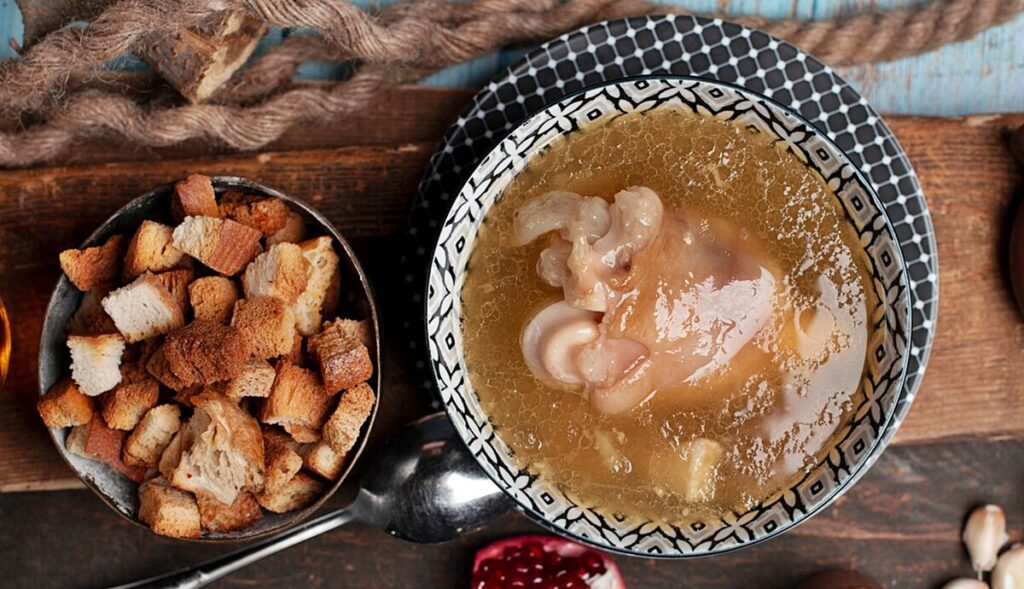
➡ Collagen Bonus: Bone broth’s collagen supports gut lining, which helps you absorb testosterone-supporting nutrients.
➡ Long Simmer: Cook broth for up to a day to extract maximum minerals — a splash of apple cider vinegar helps pull calcium from the bones.
➡ Calming Effect: Bone broth’s glycine content can help lower cortisol, supporting better stress-hormone balance.
13. Garlic
Garlic may help support testosterone. Animal research shows garlic intake increased serum testosterone, possibly through its nitric oxide-triggering allicin content. Garlic also provides vitamin B6, calcium, and magnesium.
➡ Crush First: Crush garlic and let it sit for 10 minutes before cooking — this activates alliinase, the enzyme that produces beneficial allicin.
➡ Try Black Garlic: Fermentation increases antioxidant levels significantly.
➡ Odour Trick: Chew fresh parsley afterwards to neutralise garlic breath.
14. Ginger
Like garlic, ginger contains anti-inflammatory compounds that support nitric oxide and testosterone. Some research suggests ginger supports cholesterol synthesis — and since cholesterol is the raw material for steroid hormones, that may indirectly support testosterone production.
➡ Fresh vs. Powdered: Fresh ginger contains more active gingerol — grate it into stir-fries or steep it in hot water.
➡ Post-Workout Zing: Add ginger to a post-gym smoothie to help reduce muscle inflammation.
➡ Digestion Aid: Ginger supports digestion, helping you absorb nutrients from your meals.
15. Extra Virgin Olive Oil
Extra virgin olive oil deserves a regular place in your kitchen thanks to its high antioxidant content. Rodent studies show olive oil helps preserve testicular function and testosterone output, likely by reducing oxidative stress. Its central role in the heart-healthy Mediterranean diet adds to the case.
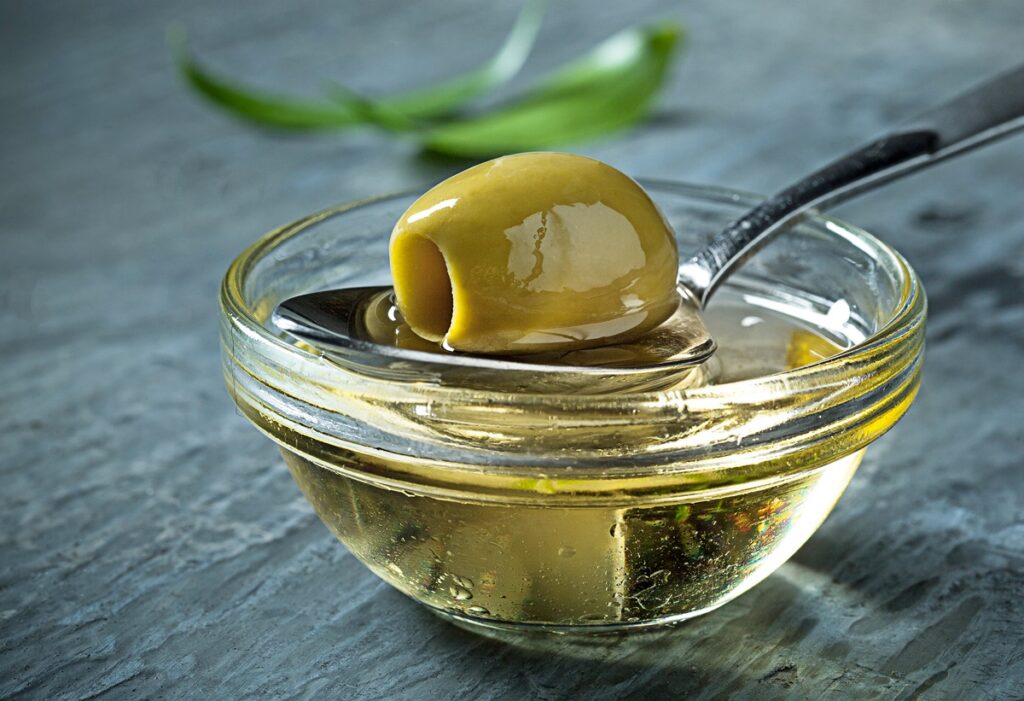
➡ Polyphenol Power: EVOO’s oleocanthal has natural anti-inflammatory properties.
➡ Drizzle, Don’t Fry: High heat degrades EVOO’s antioxidants — use it raw on salads or roasted veg.
➡ Quality Test: Genuine EVOO has a slightly peppery bite at the back of the throat — that’s a sign the beneficial polyphenols are present.
Bonus: When Food Isn’t Quite Enough
Be realistic about what diet can do. Testosterone-supportive foods build a strong foundation — but if you already have noticeably low testosterone, food alone usually won’t fully reverse it. For most men, the biggest levers are sleep, strength training, body composition, and limiting alcohol. Where those aren’t enough, a clinically-dosed natural testosterone booster can help fill the gap by supplying concentrated doses of the same nutrients (and others) that the foods above provide in smaller amounts.
If you want to explore this route, our full comparison covers the best options for UK men: Best Natural Testosterone Booster UK 2026. Two worth knowing about:
TestoPrime — Best All-Round
Combats fatigue and supports testosterone with 12 research-backed ingredients, including KSM-66 ashwagandha (shown to reduce cortisol) and D-aspartic acid (which stimulates luteinising hormone). A good fit for men who want overall testosterone support alongside their diet. 👉 Check TestoPrime here
TestoFuel — Best for Muscle Building
Built around oyster extract (a concentrated zinc source) and formulated for lifters who want to support muscle growth alongside testosterone. 👉 Check TestoFuel here
Both come from established manufacturers with money-back guarantees, so you can try them with minimal risk. Choose based on your goal — overall testosterone support (TestoPrime) or muscle-focused support (TestoFuel).
Frequently Asked Questions
Can food alone increase testosterone?
Food can support and help maintain healthy testosterone, especially by correcting deficiencies in zinc, vitamin D, and magnesium. But if you have significantly low testosterone, diet alone usually won’t fully reverse it — you’ll also need to address sleep, training, body fat, and alcohol, and may benefit from a supplement or, in clinical cases, medical treatment.
What is the single best food for testosterone?
Oysters, due to their exceptional zinc content (zinc is essential for testosterone production, and deficiency directly lowers it). If oysters aren’t practical, beef, shellfish, and eggs are excellent everyday alternatives.
How long does it take for diet changes to affect testosterone?
If you’re correcting a nutrient deficiency (like zinc or vitamin D), you may see changes within a few weeks. Broader dietary improvements typically show effects over 1-3 months, particularly when combined with strength training and good sleep.
Do any foods lower testosterone?
Excess alcohol is the biggest dietary testosterone killer. Ultra-processed foods, excess sugar, and very low-fat diets can also work against you. Carrying excess body fat raises aromatase activity, which converts testosterone into oestrogen.
Is soy bad for testosterone?
No — this is a persistent myth. Studies show that moderate soy intake (1-2 servings a day) doesn’t lower testosterone in men. The phytoestrogens in soy behave very differently from human oestrogen.
Should I take a supplement as well as eating these foods?
For mild-to-moderate low testosterone, combining a testosterone-supportive diet with a clinically-dosed natural booster often produces better results than either alone. See our UK natural booster guide for the options. For severe clinical deficiency, speak to your GP about medical treatment.
Conclusion
Supporting your testosterone through diet is a safe, affordable, accessible step for men of all ages. Work these 15 science-backed foods into your routine to supply the vitamins, minerals, healthy fats, and antioxidants that healthy testosterone production depends on.
Pair your diet with resistance training, regular movement, good sleep, and stress management, and you build a natural platform for healthy testosterone over the long term. Stay consistent — many men notice improvements in energy, clarity, body composition, and libido within a few weeks to a couple of months.
Related Reading
- 17 Signs Your Testosterone Is Low — UK Men’s Guide
- What Is a “Normal” Testosterone Level for UK Men by Age?
- Best Natural Testosterone Booster UK 2026 — Buyer’s Guide
- Can Pomegranate Increase Testosterone Levels in Men?
👉 See our top-rated natural testosterone booster →
Admin
I’m honored to have you here. I am an experienced publisher and seasoned healthcare enthusiast with numerous health websites under my belt. Living a healthy and balanced life has always been my passion, and I realised the lack of reliable, thorough information regarding men’s health, particularly the role of testosterone, spurred me to develop this website – Testosteroneuk
Similar Posts
Does Fenugreek Increase Testosterone – Myth or Fact?
What is Fenugreek and why is it thought to increase testosterone? Fenugreek is a South Asian plant whose…
Read More
5 Surefire Tips for Successful Bodybuilding
Quick Answer: The 5 Beginner Bodybuilding Rules Set SMART goals — specific, measurable targets keep you progressing Always…
Read MoreHow Do Vegetable Oils Affect Testosterone? Exploring the Impact on Men’s Health
In recent years, there has been a growing interest in understanding how vegetable oils affect testosterone levels in…
Read More
Can Asparagus Boost Testosterone? Exploring the Potential Benefits of This Nutrient-Dense Vegetable
Asparagus, a nutrient-dense vegetable known for its distinctive flavor and numerous health benefits, has recently gained attention for…
Read MoreMindfulness for Testosterone: How Mindfulness Practices Can Reduce Stress and Boost Testosterone Levels
In the quest for optimal male health, the connection between mindfulness and testosterone is gaining increasing attention. Mindfulness,…
Read More
Beef Protein vs Whey: Comparing Two Popular Protein Sources
When it comes to choosing a protein supplement, the debate between beef protein vs whey is one that…
Read More