


Quick Answer: How to Boost Testosterone Naturally
There are five proven, natural levers for raising testosterone — and they work best together:
- Fix your diet — cut testosterone-lowering foods (sugar, processed oils), eat more whole foods
- Exercise — especially resistance training and staying active
- Manage stress — lower cortisol, which directly suppresses testosterone
- Supplement smartly — zinc, magnesium, vitamin D (or a combined booster)
- Sleep more — most testosterone is produced during deep sleep
None of these are quick fixes, but together they make a genuine difference for men with mild-to-moderate low T.
At no point in history have we seen testosterone levels in men as low as they are today. Unhealthy diets, poor lifestyle habits, and a lack of testosterone-supporting activity are largely to blame. If you’ve been struggling with low testosterone, let 2026 be the year you turn it around. Here are five natural, proven ways to raise your T levels.
First, if you’re not sure low testosterone is your issue, check the 17 signs of low testosterone in UK men and what’s normal by age (in nmol/L).
1. Avoid Testosterone-Lowering Foods
It’s a cliché, but it’s true: you are what you eat. Your diet might be full of foods shown to lower testosterone. Take a look at what you’re eating and cut down on these if you want to raise your T levels in 2026:
Pesticide-laced produce: Otherwise healthy fruit and veg can affect testosterone when treated with pesticides. Where it’s practical and affordable, consider buying organic versions of the most heavily-sprayed produce:
- Apples
- Strawberries
- Peaches
- Kale
- Spinach
- Lettuce
Heavily-processed oils: Healthy fats are great, but these testosterone-lowering oils are best limited:
- Soybean oil
- Vegetable oil
- Rapeseed (canola) oil
Sugary foods: Sugar isn’t just the top culprit for weight gain and preventable disease — it’s also linked to lower testosterone. Cut down on:
- Sweets
- Refined-carb products (shop-bought biscuits, cakes, and so on)
- Fizzy drinks
Aim to eat as natural as possible, focusing on lean meats, dark leafy greens, and healthy fats. For the full list of foods that actively support testosterone, see our guide to the 15 best testosterone-boosting foods for UK men.
2. Exercise More

Daily activity is essential for managing weight, supporting heart health, and improving mood and brain function — and it’s key to healthy testosterone too.
Studies have long shown a strong link between low testosterone and being overweight or obese. One study found that exercise may play an even more important role than diet in improving testosterone in obese men.
It divided obese men into two groups: high activity with a normal diet, and low activity with a calorie-restricted diet. Both groups saw testosterone rise, but the more active men saw the greatest improvements.
You don’t need a pro bodybuilder’s programme. Start with 30 minutes a day of walking, jogging, or light weightlifting, then build up gradually. To keep it interesting, mix in fitness classes, hiking, or sport. For a structured plan built specifically around raising testosterone, follow our testosterone-boosting workout.
3. Control Your Stress Levels
The stress we feel every day — in traffic, at work, at home — takes a real toll. When we’re stressed, the body releases a hormone called cortisol. This fight-or-flight hormone is helpful in genuine emergencies, ramping up adrenaline for quick thinking.
The problem is that in our fast-paced culture, many people have elevated cortisol all day long — and that leads to more than just burnout. Elevated cortisol has been shown to lower healthy testosterone levels.
It’s easier said than done, but here are a few effective ways to keep stress (and cortisol) in check:
Meditation: A few minutes a day spent quietly focusing on your breathing has been shown to lower cortisol and balance mood.
Affirmations: Daily affirmations have been shown to lower stress. Write a short positive statement like “I am strong” or “I am calm,” put it somewhere you’ll see it, and repeat it as you pass.
Protect your downtime: Guard time for the things that genuinely relax you — whether that’s training, time outdoors, or seeing friends. Consistently lowering your stress load is one of the most underrated ways to support testosterone.
4. Supplement with Natural Testosterone Boosters
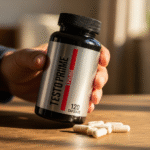
While a natural diet and consistent exercise should form the bulk of how you raise testosterone, supplements can play an important supporting role. Science has identified several natural testosterone boosters that are cost-effective and readily available:
Zinc: One of the most important minerals in the body, zinc supports sperm production, libido, and testosterone. It’s worth supplementing because the body uses it rapidly — you even lose it through sweat.
Magnesium: Involved in hundreds of bodily processes including hormone regulation. One study found daily magnesium supplementation was associated with a notable rise in testosterone over four weeks, particularly in active men.
Vitamin D: The “sunshine vitamin.” Higher vitamin D levels correlate with healthy testosterone production — and its effects are amplified alongside zinc and magnesium. This matters especially for UK men, who are frequently deficient thanks to the climate.
TestoPrime: Rather than buying these separately, you can get them in one place: TestoPrime. It contains clinically-dosed zinc, vitamin D, magnesium, and several other testosterone-supporting ingredients (D-aspartic acid, ashwagandha, fenugreek, ginseng) in a single daily formula. For a full comparison against other options, see our best natural testosterone booster UK guide.
5. Sleep More
Perhaps the easiest way to naturally raise your testosterone is simply sleeping more.
Sleep is when your body goes into repair mode — flushing waste, repairing cells, and regulating hormones. The greatest spike in growth hormone happens while you’re asleep. The problem? The average adult gets less than seven hours a night.
Studies show that testosterone production depends heavily on sleep. So how do you get more of it?
- Turn off electronics an hour before bed
- Take a warm shower and sleep in a cool room
- Try a calming herbal tea such as chamomile or mint
- Meditate before bed
- Keep your room as dark as possible — remove or cover sources of light, including standby LEDs
Aim for 7-9 hours a night. It’s one of the highest-impact, lowest-effort changes you can make for your testosterone.
Putting It All Together
You don’t have to live with low testosterone. These five levers — diet, exercise, stress management, smart supplementation, and sleep — work best as a combined approach rather than in isolation. Make a commitment to change your habits in 2026, start with the easiest wins (usually sleep and cutting sugar), and build from there.
Frequently Asked Questions
How can I increase my testosterone naturally?
The five most effective natural methods are: improving your diet (cutting sugar and processed oils, eating more whole foods), exercising regularly (especially resistance training), managing stress to lower cortisol, supplementing with zinc, magnesium and vitamin D, and getting 7-9 hours of quality sleep. They work best combined.
How long does it take to raise testosterone naturally?
Some changes (like better sleep and reduced stress) can affect testosterone within days to weeks. Bigger improvements from diet, exercise, and body-composition changes typically show over 1-3 months of consistency.
What foods kill testosterone?
The main offenders are sugar and sugary drinks, heavily processed vegetable and soybean oils, and excess alcohol. Carrying excess body fat also works against you by increasing the conversion of testosterone into oestrogen.
Do natural testosterone boosters actually work?
Well-formulated ones can help men with mild-to-moderate low testosterone, especially when combined with the lifestyle changes above. The key is clinically-dosed ingredients (zinc, magnesium, vitamin D, D-aspartic acid, ashwagandha). See our UK booster guide for the best options.
When should I see a doctor about low testosterone?
If you have persistent symptoms (low energy, low libido, low mood, loss of muscle) that don’t improve with lifestyle changes, see your GP for a blood test. A total testosterone below around 8 nmol/L with symptoms suggests clinical deficiency that may need medical treatment.
Related Reading
- 15 Best Testosterone-Boosting Foods for UK Men
- The Best Testosterone-Boosting Workout
- 17 Signs Your Testosterone Is Low — UK Men’s Guide
- Best Natural Testosterone Booster UK 2026
Ryan Rigney
Ryan Rigney is a health and fitness writer who turned his personal struggle with low testosterone into a mission to help others. After spending years battling fatigue and weight gain, Ryan dove headfirst into researching hormonal health, eventually transforming both his body and his career. His no-nonsense approach cuts through medical jargon to deliver practical advice for men looking to optimize their hormonal health naturally.
Similar Posts
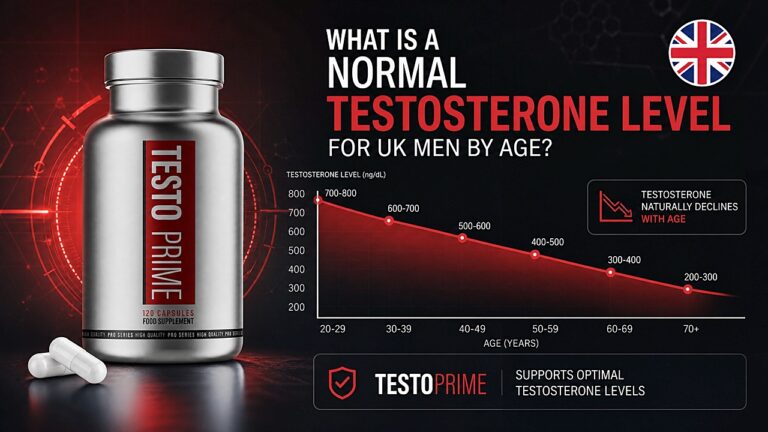
What Is a “Normal” Testosterone Level for UK Men by Age? (Full nmol/L Chart 2026)
Quick Answer The NHS reference range for total testosterone in adult UK men is 8-30 nmol/L (nanomoles per…
Read More
17 Signs Your Testosterone Is Low (UK Men’s Guide)
Quick Answer The most common signs of low testosterone in UK men are: persistent fatigue, weight gain around…
Read More
Vitamin D and Testosterone: Why UK Men Are Hit Hardest (And How to Fix It)
You step out of the office on a Tuesday in February. It's been dark since 4 pm. You…
Read MoreUnlocking the Power of Pre-Sleep Nutrition for Weight Loss and Fat Burning
The journey to successful weight loss and efficient fat burning is often paved with countless strategies, from rigorous…
Read More
Is cardio or strength training best for fat loss?
Over the years, many gym-goers have been confused by the never-ending debate around cardio and strength training. Whilst…
Read More
Do You Have Enough Magnesium?
Magnesium plays an important role in over 300 enzyme reactions and is an essential mineral in the human…
Read More