

Quick Answer
Probably a little — but the human evidence is thin. Oat straw (also called Avena sativa) has shown clear testosterone-supporting effects in animal studies, with one small human trial in athletic men suggesting it protects testosterone during heavy training stress. The most plausible mechanism is SHBG inhibition — freeing up bound testosterone so more is bioavailable.
However, only one decent human study exists, and oat straw is not a foundational ingredient in any of the leading UK natural testosterone boosters (it isn’t in TestoPrime, Prime Male, or Testogen).
Honest verdict: Oat straw is a reasonable optional add-on if you already have the foundation in place — but it’s not what’s going to move the needle if you’re trying to fix mild-to-moderate low T. The ingredients with the strongest evidence (D-aspartic acid, ashwagandha, fenugreek, ginseng, pomegranate, zinc, vitamin D) belong in your stack first.
👉 See the natural testosterone booster with the strongest-evidenced ingredients →
What Is Oat Straw?
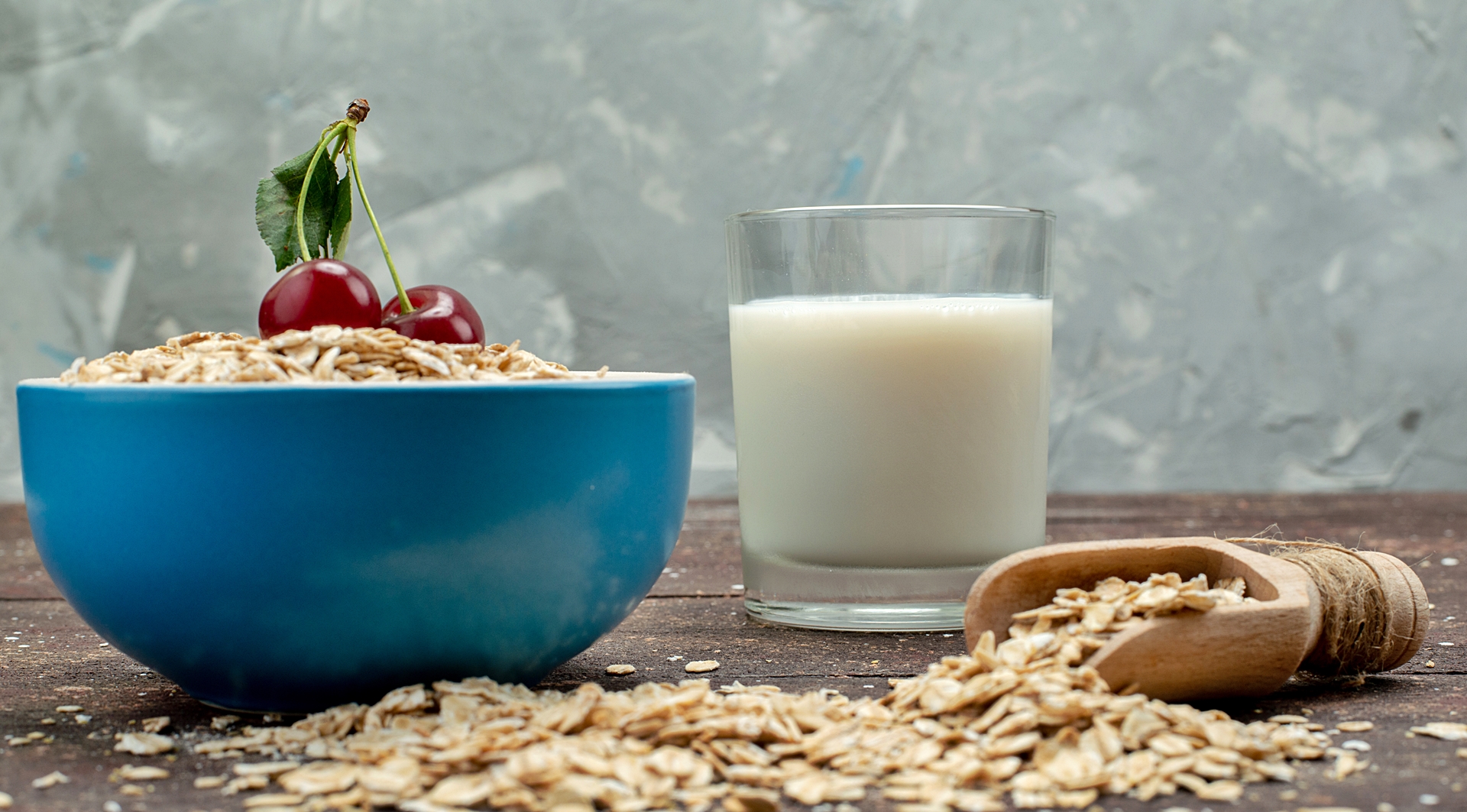
Oat straw — botanical name Avena sativa — is the green, leafy upper part of the oat plant, harvested before the grain matures. Different from oat grain (porridge oats) and oat bran (fibre supplement), oat straw has been used in traditional European herbal medicine for over 2,000 years.
Historical use focused on three things:
- Nervous exhaustion — what we’d now call burnout or chronic stress
- Cognitive support — sharpness, focus, mental energy
- Vitality and libido — a folk reputation as a mild aphrodisiac
The traditional use as a “nervine” (a herb that calms the nervous system) is what underpins most of the modern research interest. The testosterone angle came later, and it’s the most speculative claim attached to the plant.
The Mechanism: How Oat Straw Might Affect Testosterone
The theoretical case for oat straw and testosterone hinges on one main mechanism, with two supporting ideas.
Main Theory: SHBG Inhibition (Increasing Free Testosterone)
In your bloodstream, most of your testosterone is bound to a protein called SHBG (sex hormone binding globulin). Bound testosterone is biologically inactive — your body can’t use it. Only free testosterone does the actual work of building muscle, driving libido, sharpening focus.
As men age, SHBG levels typically rise, meaning more of your testosterone gets locked up and less is bioavailable. This is one reason older men can have “normal” total testosterone on blood tests but still feel completely flat — their free T is dropping even when total T looks fine.
The theory: oat straw bioactives (specifically saponins and avenanthramides) appear to inhibit SHBG binding, releasing more testosterone into its bioactive free form. Cellular studies support this. Whether it produces meaningful changes in living humans is still being investigated.
Supporting Theory 1: Improved Cerebral Blood Flow
Several human studies show oat straw extract improves cerebral blood flow and cognitive function. Better circulation throughout the body — including reproductive tissue — has indirect effects on hormonal balance and libido.
Supporting Theory 2: Reduced Anxiety + Improved Mood
Chronic stress and anxiety elevate cortisol, which directly suppresses testosterone. Oat straw has well-documented anxiolytic (anxiety-reducing) effects in humans. Lower chronic anxiety → lower cortisol → less testosterone suppression. Indirect, but real.
What the Animal Research Shows
The animal data on oat straw and testosterone is genuinely interesting. Two studies worth knowing about:
Study 1 — Daily Oat Straw Extract, Healthy Male Rats (4 weeks)
Male rats supplemented with daily oat straw extract for 4 weeks showed clear increases in:
- Serum total testosterone
- Free testosterone
- Luteinising hormone (LH) — the upstream signal that tells the testes to produce testosterone
The researchers attributed these effects to oat straw’s antioxidant activity and modulation of neurotransmitter systems involved in hormonal signalling. (PubMed)
Study 2 — Oat Straw in Rats with Suppressed Testosterone (28 days)
The more compelling study: rats with artificially induced low testosterone (a model for human hypogonadism) were given concentrated oat straw extract for 28 days. They showed significant rebound increases in both total and free testosterone. (PMC)
This is the more clinically relevant scenario — if oat straw can restore testosterone in suppressed rats, it suggests genuine hormonal-rescue potential rather than just acting at the high end.
The Caveat
Animal models don’t always translate to humans. The biology is similar but not identical, and supplements that work brilliantly in rats often disappoint in humans. So while these studies are encouraging, they’re hypothesis-generating rather than conclusive.
The Single Human Study That Matters
Here’s where the oat straw case gets thin. Despite the decent animal data, there’s only really one human study that examined oat straw’s effect on testosterone in any rigorous way.
Study — 750 mg Oat Straw Extract, Athletic Men, 12 Weeks
Athletic men taking 750 mg of standardised oat straw extract daily during a heavy training programme were compared to placebo controls following the same training. Result: (PubMed)
- The placebo group’s testosterone dropped (typical response to heavy training stress)
- The oat straw group’s testosterone stayed roughly stable — they didn’t gain testosterone, but they didn’t lose it the way the placebo group did
This is more accurately framed as testosterone protection during stress, not testosterone elevation. Subtle distinction, important one.
Why This Matters for How You Read the Marketing
When supplement brands cite oat straw studies, they typically describe it as a “testosterone booster.” That’s a stretch. What the human evidence actually shows is more like “testosterone preservation under training stress.” For competitive athletes, this could be valuable. For a 45-year-old man with declining baseline T and ordinary lifestyle stress, the relevance is less clear.
What Oat Straw IS Well-Evidenced For
To be fair to the herb, oat straw has stronger evidence for things that aren’t strictly testosterone:
Cognitive Function
Multiple randomised controlled trials show standardised oat straw extract improves attention, processing speed, and executive function in healthy adults. The cognitive evidence is meaningfully stronger than the testosterone evidence.
Reduced Anxiety
Decent human data showing oat straw extract reduces anxiety markers and improves stress response. Useful for any man whose low-T symptoms include the anxiety and irritability cluster.
Mild Libido Support
The traditional aphrodisiac reputation has some backing. Small human trials suggest improvements in sexual interest and satisfaction, particularly in men experiencing stress-related libido drops.
Cardiovascular Function
Better blood flow, reduced inflammation. Indirect benefit but real.
If you’re optimising for cognition + mood + mild libido and not specifically chasing testosterone numbers, oat straw is a more reasonable buy than the testosterone-focused marketing suggests.
How Much Oat Straw Do You Need?
Based on the limited evidence, practical doses are:
- Standardised extract (recommended form): 750-1,500 mg daily of an extract standardised to 1.5%+ avenanthramide content
- Whole oat straw (less concentrated): 1.5-3 grams daily of dried oat straw tincture or tea
- Combined formulas: As included in some multi-ingredient products at 100-300 mg
The 750 mg dose from the athletic study is the most cited reference point. Higher doses haven’t been shown to produce proportionally better results.
Where to Buy Oat Straw in the UK
Standalone Supplements
- Holland & Barrett stock several oat straw extract products (typically tincture or capsule form)
- Amazon UK has the widest range — but as ever in the supplement space, quality varies wildly. Look for UK or US manufacturers with transparent labelling and third-party testing.
- Specialist herbal stores (Neal’s Yard, Baldwins, Indigo Herbs) carry better-quality versions, often in liquid extract form
As Part of a Multi-Ingredient Stack
This is the more sensible route. A handful of natural testosterone supplements include oat straw as one component alongside the better-evidenced testosterone ingredients. Hunter Test is one example. Even there, oat straw is a minor ingredient rather than a headline feature.
A Honest Note on the UK Supplement Shelf
You will see “oat straw” advertised as a hero ingredient in some testosterone marketing. Be sceptical when this happens. The honest evidence supports oat straw as a supporting ingredient with mild effects — not as a primary testosterone driver.
Honest Comparison: Oat Straw vs the Actually-Proven T Ingredients
This is where I think most articles on oat straw mislead readers. Putting it in context with the natural testosterone ingredients that have strong human evidence makes the picture clearer.
| Ingredient | Human studies | Mechanism strength | Typical effect |
|---|---|---|---|
| D-Aspartic Acid | Multiple RCTs | Strong | +30-42% T in 12 days at 2,000 mg |
| KSM-66 Ashwagandha | Multiple RCTs | Strong | -27% cortisol, +15% T in 8 weeks |
| Fenugreek (furostanolic saponins) | Multiple RCTs | Strong | Aromatase blocking, free T support |
| Panax Ginseng | Multiple RCTs | Moderate-strong | Libido + modest T support |
| Pomegranate Extract | 2 small RCTs | Moderate | +22-24% T in 30-60 days |
| Zinc | Strong observational + RCTs | Foundational | Restores T in deficient men |
| Vitamin D | Multiple RCTs | Foundational | Restores T in deficient men |
| Oat Straw | 1 small RCT | Speculative | Testosterone protection under stress |
Oat straw is genuinely at the bottom of this list in terms of evidence weight. That doesn’t mean it’s useless — it means it’s optional, supportive, and not where you’d start.
📖 Related: Best Natural Testosterone Booster UK 2026 — Honest Buyer’s Guide
So Should You Take Oat Straw For Testosterone?
Here’s my honest read:
You probably should add oat straw if:
- You already have the foundation in place (sleep, training, body composition, alcohol limits)
- You’re already taking a comprehensive natural testosterone booster with the proven ingredients
- You experience significant stress-related anxiety, low mood, or mental fog alongside low T
- You want a supporting ingredient with some additional cognitive and mood benefit
- You’re an athlete in a heavy training block and want to preserve T
Oat straw probably isn’t worth chasing if:
- You’re treating it as a primary testosterone booster
- You haven’t yet addressed sleep, training, body fat, alcohol
- You’re not taking a comprehensive multi-ingredient formula yet
- You’re looking for fast or dramatic results
The mistake is treating oat straw as the headline. It isn’t. The proven ingredients (D-aspartic acid, ashwagandha, fenugreek, pomegranate, ginseng, zinc, vitamin D) are the headline. Oat straw is a supporting cast member at best.
📖 Related: What Is a “Normal” Testosterone Level for UK Men by Age?
The Smart Stack: What I’d Actually Recommend
Rather than chasing oat straw as a standalone, the more rational approach for most UK men with mild-to-moderate low T:
- Foundation first: 7-9 hours sleep, 3-4x weekly strength training, body fat under 20%, alcohol within sensible limits
- Comprehensive multi-ingredient natural testosterone booster containing the strongly-evidenced ingredients at clinical doses
- Optional additions for specific situations (e.g. oat straw if you specifically want the cognitive/mood support, additional vitamin D if you’re confirmed deficient, etc.)
For step 2, the formula I most consistently recommend for UK men is TestoPrime — 12 ingredients at clinical doses, transparent labelling, UK-based manufacturer (Wolfson Brands in Glasgow), free Royal Mail delivery, 60-day money-back guarantee. It contains D-aspartic acid at 2,000 mg, KSM-66 ashwagandha at 668 mg, fenugreek at 800 mg, ginseng at 8,000 mg, and pomegranate at 360 mg — covering the heavy-hitters.
It doesn’t include oat straw. That’s a deliberate formulation choice — Wolfson Brands prioritises the ingredients with the strongest human evidence rather than padding the label with fashionable-sounding extras. If you specifically want oat straw on top, you can buy it separately and stack.
👉 See the TestoPrime UK formula and current price →
📖 Related: Why You Won’t Find TestoPrime in Boots, Holland & Barrett or Amazon UK
Frequently Asked Questions
Does oat straw really increase testosterone in men?
The honest answer: probably modestly, but the human evidence is thin. One small study showed testosterone preservation during heavy training stress rather than direct elevation. Animal evidence is more encouraging but doesn’t always translate to humans.
What is the mechanism for oat straw and testosterone?
The most plausible mechanism is SHBG inhibition — oat straw bioactives appear to reduce binding of testosterone to SHBG, freeing more bioactive testosterone. Cellular studies support this, but the magnitude in living humans is still being studied.
How much oat straw should I take?
Standardised extract dosing typically runs 750-1,500 mg daily. The most cited reference dose (from the athletic men study) is 750 mg/day of standardised extract for 12 weeks.
Is oat straw the same as eating porridge oats?
No. Oat straw is the green leafy stem and upper portion of the oat plant, harvested before grain maturation. Porridge oats are the grain itself, harvested later. Different plant parts, different bioactive compounds.
Will oat straw alone fix my low testosterone?
Unlikely. Oat straw shows mild effects at best in the limited human research available. If you have meaningfully low testosterone with symptoms, addressing the bigger levers (sleep, training, body composition, stress) and adding a comprehensive multi-ingredient natural booster will produce far more change than oat straw alone.
Is oat straw safe?
Yes — oat straw has an excellent safety profile across centuries of traditional use. People with coeliac disease should be cautious (oats can be cross-contaminated with gluten unless specifically certified gluten-free).
Is oat straw in TestoPrime?
No. TestoPrime’s 12 ingredients are D-aspartic acid, panax ginseng, KSM-66 ashwagandha, fenugreek, green tea, pomegranate, vitamin D, zinc, vitamins B5/B6, garlic extract, and black pepper (BioPerine). Oat straw is not included — Wolfson Brands has prioritised ingredients with stronger human evidence.
Can I take oat straw alongside TestoPrime?
Yes — there’s no known interaction. If you specifically want oat straw’s cognitive or anxiolytic benefits on top of TestoPrime’s testosterone support, you can stack the two without issue.
How long does oat straw take to work?
The cognitive effects can appear within hours to days. The hormonal effects (if they materialise) typically need 4-12 weeks of consistent daily use.
The Bottom Line
Oat straw is one of those supplement ingredients that sits in a frustrating evidence gap — animal data looks decent, traditional use is long and consistent, but the rigorous human studies needed to confirm the testosterone claims simply haven’t been done at scale yet.
What we can say honestly: oat straw is probably mildly useful, particularly via SHBG inhibition and indirect stress/anxiety benefits. It’s safe, well-tolerated, and has reasonable theoretical mechanisms.
What we shouldn’t say: that it’s a primary testosterone driver. Compared to the better-evidenced ingredients (D-aspartic acid, ashwagandha, fenugreek, pomegranate, ginseng, zinc, vitamin D), oat straw is supporting cast.
If you’re a UK man with mild-to-moderate low T symptoms, your highest-impact moves are still the lifestyle foundation plus a comprehensive multi-ingredient natural testosterone booster built around the proven ingredients. Oat straw is optional polish on top — never the foundation.
👉 See the natural testosterone booster I recommend (proven ingredients, no filler) →
Related Reading
- Best Natural Testosterone Booster UK 2026 — Honest Buyer’s Guide
- 17 Signs Your Testosterone Is Low — UK Men’s Guide
- What Is a “Normal” Testosterone Level for UK Men by Age?
- Can Pomegranate Increase Testosterone Levels in Men? — better-evidenced ingredient comparison
Ryan Rigney
Ryan Rigney is a health and fitness writer who turned his personal struggle with low testosterone into a mission to help others. After spending years battling fatigue and weight gain, Ryan dove headfirst into researching hormonal health, eventually transforming both his body and his career. His no-nonsense approach cuts through medical jargon to deliver practical advice for men looking to optimize their hormonal health naturally.
Similar Posts
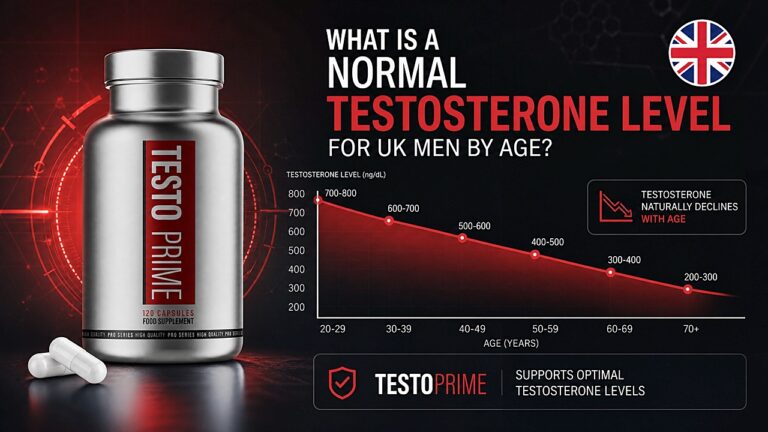
What Is a “Normal” Testosterone Level for UK Men by Age? (Full nmol/L Chart 2026)
Quick Answer The NHS reference range for total testosterone in adult UK men is 8-30 nmol/L (nanomoles per…
Read More
17 Signs Your Testosterone Is Low (UK Men’s Guide)
Quick Answer The most common signs of low testosterone in UK men are: persistent fatigue, weight gain around…
Read More
The Relationship Between Low T and Depression
As men, we know that our testosterone is important to us. It plays a huge role in many…
Read MoreDoes smoking lower testosterone?
Over many years now, it has become a widely known fact that smoking is a silent killer. Even…
Read More
10 Tips to Reignite Your Sex Life
Quick Take Long-term relationships naturally settle from the early spark into a steadier rhythm — but that doesn't…
Read More
Does HGH Treatment for Low T-levels Actually Work?
For a long time now, there have been a bunch of ‘treatments’ thrown around for men suffering from…
Read More