
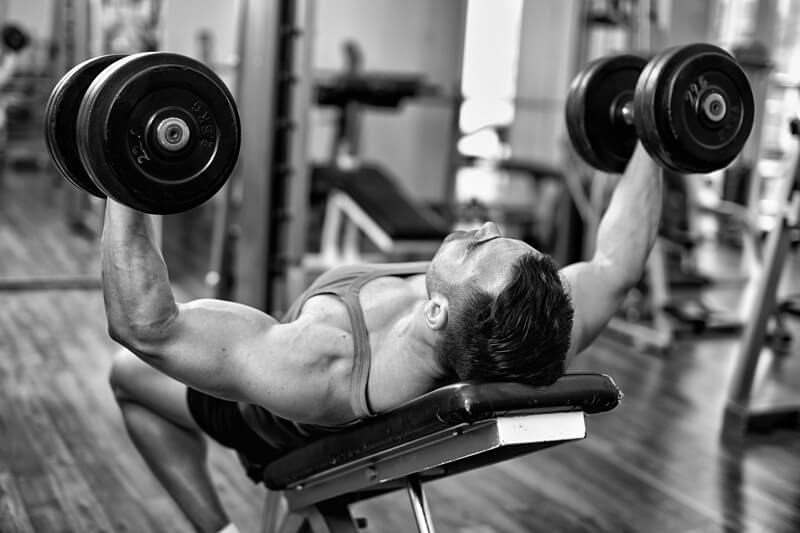

Quick Answer: Does HGH Work for Low Testosterone?
No — not directly. Human growth hormone (HGH) has very little to do with testosterone production, so it won’t raise your testosterone levels. It can improve body composition (more lean mass, less fat), which masks some low-T symptoms — but using HGH when your HGH isn’t actually low carries serious risks, including raised blood sugar, high blood pressure, and accelerated tumour growth. For low testosterone specifically, medically-supervised TRT or a natural testosterone booster are far more appropriate routes.
For years now, all sorts of “treatments” have been thrown around for men with low testosterone — from plant-based foods to testosterone-boosting workouts, the suggestions are endless.
One treatment that’s stuck around throughout is testosterone replacement therapy (TRT). But it doesn’t quite end there — because another option has been growing in popularity: HGH treatment.
So what exactly is “HGH treatment,” and does it actually work? In short, HGH stands for human growth hormone, a protein produced by the pituitary gland. Let’s take a closer look at HGH treatment and why so many men reach for it as a last-ditch attempt to reverse low testosterone — and whether that’s a good idea.
(First, if you’re not certain low testosterone is your issue, it’s worth checking the 17 signs of low testosterone in UK men and what a normal testosterone level looks like by age.)
Human Growth Hormone: What’s It All About?

So what is HGH, and how does it affect your testosterone? This protein is produced by the pituitary gland and signals muscle and bone growth in the body. If you’re wondering where you’ve heard of HGH before, you’re probably thinking of anabolic steroids.
While many anabolic compounds were originally intended to treat medical conditions, they’ve long been used (illegally) in bodybuilding. In recent years, more men have turned to HGH to try to reverse the effects of low testosterone and slow the signs of ageing.
When you’re dealing with low testosterone, it’s no surprise you end up searching the internet for answers — we all want our problems fixed yesterday. Low testosterone symptoms vary from man to man, but often include:
- Low energy levels
- Loss of muscle mass
- Low or absent sex drive
- Erectile dysfunction (ED)
- Low mood
Does HGH Actually Affect Testosterone?
Here’s the part most men don’t realise: HGH has very little to do with your testosterone levels. It isn’t involved in testosterone production — which essentially means HGH treatment won’t fix low testosterone the way people hope.
So why do so many men look for it? The answer lies in how HGH affects your body composition. While it won’t raise your testosterone, it can help combat the weight gain and muscle loss that come with low T — which can make it look like it’s helping, even though the underlying hormone problem is untouched.
When paired with testosterone replacement therapy, HGH treatment can help increase lean mass and bone mineral density and encourage fat loss in men who have a genuine HGH deficiency. Further research shows a low dose of HGH can meaningfully affect body composition and cholesterol. On the surface, that sounds promising for men with low T — but the key phrase is “genuine HGH deficiency,” and that’s where the danger lies.
HGH vs TRT vs Natural Boosters — For Low Testosterone
To put HGH in context, here’s how the three approaches compare specifically for treating low testosterone:
| HGH Treatment | TRT | Natural Booster | |
|---|---|---|---|
| Raises testosterone? | ❌ No | ✅ Yes (directly) | ✅ Supports natural production |
| Prescription needed | ✅ Yes | ✅ Yes | ❌ No |
| Appropriate for low T? | ❌ Not unless HGH is also deficient | ✅ For clinical deficiency | ✅ For mild-to-moderate low T |
| Risk level | High (if HGH not low) | Moderate, medically managed | Low |
| Main benefit | Body composition only | Direct T restoration | Natural support, no needles |
The takeaway is simple: if low testosterone is your problem, HGH is the wrong tool. TRT (for clinical deficiency) or a natural booster (for mild-to-moderate low T) target the actual issue.
Does HGH Treatment Carry Risks?
As with any treatment, there are side effects. Much like the anabolic steroids often used in bodybuilding, HGH therapy can cause:
- Joint and muscle pain
- Fluid retention
- Gynaecomastia (breast tissue development)
- Carpal tunnel syndrome
These side effects don’t affect everyone, but the risks rise sharply when HGH is taken by people whose levels aren’t low to begin with. That means men chasing HGH as a fix for low testosterone could actually be causing themselves more harm.
The Danger of Excessive HGH
If you undergo HGH therapy for low testosterone — rather than for low HGH — you can end up with excessive HGH instead. This can spike blood sugar (potentially leading to insulin resistance and diabetic symptoms), raise blood pressure, and create heart concerns.
There’s a more serious concern too: because HGH speeds up the growth of all bodily tissues, it carries a frightening risk of accelerating the growth of any existing cancer tumours. This is not a minor side effect — it’s a genuine reason to be extremely cautious.
Overall, for low testosterone specifically, the honest recommendation is to steer well clear of HGH treatment.
So Who Should Actually Use HGH?
Given the serious side effects, HGH should only be used by a select group of people with a genuine medical need. It’s medically approved for:
- People with growth disorders
- Men with muscle wasting from HIV/AIDS or chemotherapy
- Patients with short bowel syndrome
- Patients with rare pituitary tumours
- People with certain brain injuries
In these cases, HGH medications are approved and prescribed. It’s also (illegally and riskily) used by some bodybuilders and athletes chasing muscle mass and faster recovery — but that’s a very different thing from a medically justified prescription.
HGH Treatment for Low T: Yes or No?
Some providers may prescribe HGH therapy for low testosterone — but without a genuine medical need for HGH, it can be dangerous. And as we’ve covered, HGH has very little to do with testosterone, so it won’t raise your levels the way you’d hope. It may combat some symptoms (muscle loss and weight gain), but it leaves the actual hormone deficiency untouched.
The verdict: for low testosterone, HGH is the wrong treatment. If your testosterone is clinically low (typically below 8 nmol/L with symptoms), speak to your GP about TRT. If it’s mild-to-moderate, a natural testosterone booster combined with lifestyle changes is a far safer place to start.
The Safe Way to Increase Your Testosterone

Raising your testosterone shouldn’t come with a bucketful of side effects and long-term health concerns. There’s a safer way to support your testosterone and reverse the symptoms of low T: a natural testosterone booster like TestoPrime.
Its 100% natural formula supports male health and wellbeing with just four capsules a day. Unlike HGH, it works with your body’s own testosterone production — helping support energy, performance, muscle growth, libido, and fat loss, without needles, prescriptions, or the serious risks of hormone misuse.
For a full comparison of the best natural options for UK men, see our best natural testosterone booster UK guide.
Frequently Asked Questions
Does HGH increase testosterone?
No. HGH (human growth hormone) is not involved in testosterone production, so it won’t raise your testosterone levels. It can improve body composition, which masks some low-T symptoms, but it doesn’t address the underlying hormone deficiency.
Is HGH safe for treating low testosterone?
Not for low testosterone specifically. Taking HGH when your HGH levels aren’t actually low raises the risk of serious side effects — including high blood sugar, high blood pressure, heart concerns, and accelerated growth of any existing tumours. It’s the wrong tool for a testosterone problem.
What’s the difference between HGH and TRT?
TRT (testosterone replacement therapy) directly replaces testosterone and is used for clinically low T under medical supervision. HGH replaces growth hormone and does not raise testosterone — it’s only medically appropriate for genuine HGH deficiency or specific conditions, not for low testosterone.
What are the side effects of HGH?
Common side effects include joint and muscle pain, fluid retention, gynaecomastia, and carpal tunnel syndrome. With excessive HGH, more serious risks include raised blood sugar, high blood pressure, and accelerated tumour growth.
What’s the safest way to raise testosterone?
Start with lifestyle: good sleep, strength training, sensible body fat, and limited alcohol. For mild-to-moderate low T, add a clinically-dosed natural testosterone booster. For clinically low testosterone (below ~8 nmol/L with symptoms), see your GP about TRT. HGH should not be part of the picture unless you have a genuine HGH deficiency.
Related Reading
- 17 Signs Your Testosterone Is Low — UK Men’s Guide
- What Is a “Normal” Testosterone Level for UK Men by Age?
- Best Natural Testosterone Booster UK 2026
Ryan Rigney
Ryan Rigney is a health and fitness writer who turned his personal struggle with low testosterone into a mission to help others. After spending years battling fatigue and weight gain, Ryan dove headfirst into researching hormonal health, eventually transforming both his body and his career. His no-nonsense approach cuts through medical jargon to deliver practical advice for men looking to optimize their hormonal health naturally.
Similar Posts
TestoPrime Gold Reviews: A Closer Look at the Ingredients and the Science
For a lot of men, the mid-forties bring the same quiet shift. Gym sessions take longer to recover…
Read More
Why You Won’t Find TestoPrime in Boots, Holland & Barrett or Amazon UK
Quick Answer TestoPrime is not sold in Boots, Holland & Barrett, Amazon UK, Tesco, Sainsbury's, Asda, Superdrug, Lloyds…
Read More
Vitamin D and Testosterone: Why UK Men Are Hit Hardest (And How to Fix It)
You step out of the office on a Tuesday in February. It's been dark since 4 pm. You…
Read MoreUnlocking the Power of Pre-Sleep Nutrition for Weight Loss and Fat Burning
The journey to successful weight loss and efficient fat burning is often paved with countless strategies, from rigorous…
Read More
Is cardio or strength training best for fat loss?
Over the years, many gym-goers have been confused by the never-ending debate around cardio and strength training. Whilst…
Read More
Do You Have Enough Magnesium?
Magnesium plays an important role in over 300 enzyme reactions and is an essential mineral in the human…
Read More